
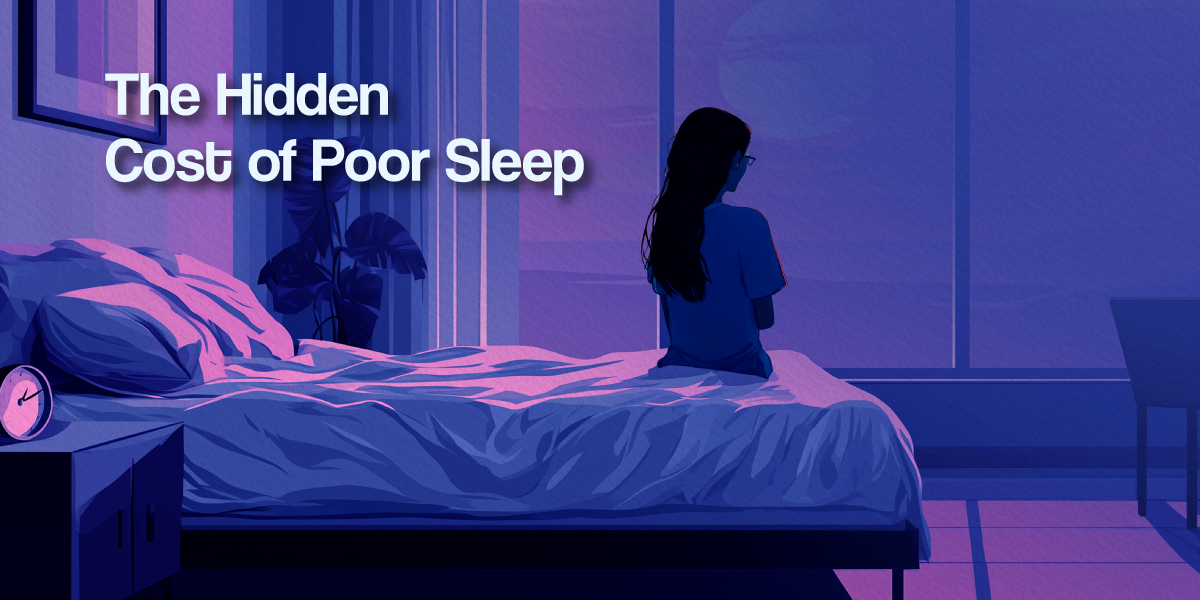
If you wake up tired, snap at family over small things, or need several cups of chai just to stay alert, you are not alone. In many Indian homes, late-night work, traffic, and screens quietly push rest to the bottom of the list. But the effects of lack of sleep build up in your body and mind even when you feel you are “managing”.
Good sleep is not a luxury; it is as basic as food and clean water. Once you see how the effects of lack of sleep disturb your brain, hormones, and mood, you understand why sleep is a health habit, not a time-wasting comfort.
What Really Happens When You Do Not Sleep Enough
Most adults need around seven to nine hours of sleep a night. You may get by on less for a few days, but your body keeps score. Sleep is the time when your brain clears waste, cells repair themselves, and hormones reset for the next day.
When sleep is cut short, your nervous system stays on high alert. Stress hormones like cortisol rise, blood pressure increases, and your body behaves as if a threat is always present. Over time, this quiet pressure turns into real health problems. That is why the effects of lack of sleep are often slow and subtle at first.
Short-Term Side Effects of Lack of Sleep
Even one or two nights of poor sleep can change how you feel the next day. Short-term side effects of lack of sleep include:
- Poor focus and more mistakes
- Irritability and mood swings
- Cravings for junk food and extra caffeine
Each problem feels small on its own, but together they show your brain and body are under strain.
Long-Term Side Effects of Lack of Sleep
Long-term sleep shortage is linked to many lifestyle diseases already common in India. Important long-term side effects of lack of sleep include:
- Weight gain and stubborn belly fat
- Higher risk of type 2 diabetes
- More chances of high blood pressure, heart attack, and stroke
- Higher risk of depression, anxiety, and memory issues
So when doctors warn about the effects of lack of sleep, they mean much more than daytime yawning. They are talking about deep changes in metabolism, heart health, and emotional stability.
Subtle Signs You Are Not Getting Good Sleep
Many people say they sleep “okay” simply because they lie in bed for seven hours. The quality of your rest matters as much as the length. Quiet signs that you are not getting good sleep include:
- Taking a long time to fall asleep
- Waking up often at night
- Feeling tired even after a full night in bed
- Sleeping much longer on weekends than on weekdays
If these feel familiar, your body is asking for change, not just more caffeine.
How to Fix the Effects of Lack of Sleep
The encouraging news is that your body can recover from many early effects of lack of sleep when you improve your habits. Below are some of the best ways to sleep better and rebuild your energy.
Reset Your Sleep Schedule
Your brain prefers a steady rhythm. Try to go to bed and wake up at roughly the same time every day, including weekends. Avoid big swings, such as 11 p.m. on weekdays and 2 a.m. on Saturdays. Move your bedtime by 15 to 20 minutes every few nights until you reach a schedule that allows seven to nine hours of sleep.
If your job involves late shifts or global calls, keep the pattern as stable as you can for a few days in a row instead of changing daily. A steadier routine helps your body clock stay calm and supports good sleep.
Create a Sleep-Friendly Bedroom
Your bedroom should signal “switch off” to your brain. Aim for a cool, dark, and quiet space. Helpful steps include:
- Use curtains or an eye mask to block light
- Reduce noise where possible, or use a fan
- Keep your mattress and pillows comfortable
Why Your Mattress Matters for Better Sleep
Even the best sleep routine cannot overcome a mattress that does not support your body properly. An unsupportive or sagging mattress keeps your muscles slightly tense through the night, which disrupts deep sleep and contributes to morning stiffness and fatigue.
Pillows and Mattress Work Together
Your pillow should complement your mattress, not fight it. Side sleepers usually need a thicker pillow to keep the neck aligned, while back sleepers benefit from a medium-height pillow. A good combination of mattress and pillow keeps the neck, shoulders, and spine in a relaxed, neutral position.
Creating a sleep-friendly bedroom is not about luxury—it is about removing obstacles to rest. When your mattress supports your body properly, your brain finds it easier to switch off, helping you fall asleep faster and wake up feeling truly refreshed.
Evening Habits That Help You Sleep
What you do in the last two hours before bed strongly affects how easily you sleep. Helpful evening habits include:
- Limiting caffeine after 4 p.m.
- Keeping dinner lighter and not too late
- Reducing screens and building a simple wind-down routine
These steps tell your brain that the day is ending and encourage sleep hormones to rise naturally. Over time, they become some of the best ways to sleep more deeply.
Daytime Habits That Protect Your Sleep
- Get some sunlight soon after waking
- Move your body most days through walking, yoga, or exercise
- Keep daytime naps short and rare
- Manage stress through journaling, prayer, or breathing exercises
When your days are balanced, your nights usually follow. These behaviours protect your sleep and your energy through the week.
When to See a Doctor or Sleep Specialist
Self-help steps work well for simple problems, but there are times when expert advice is important. Speak to a doctor if:
- You snore loudly and still feel tired after a full night’s sleep
- You often wake up gasping for air
- Your legs feel very restless at night
- Sleep problems are harming your work, studies, or relationships
Conditions like sleep apnoea, chronic insomnia, or severe depression need proper evaluation. Ignoring them allows the side effects of lack of sleep to grow stronger.
A doctor can check for underlying problems, review your medicines, and refer you to a sleep clinic or mental health professional if needed. Getting help is a wise step towards protecting your long-term health.
The Bottom Line
You do not need gadgets or expensive apps to improve your sleep. You need awareness, small daily changes, and the decision to treat rest as non-negotiable. When you protect your nights, you protect your heart, your mind, and your relationships.
Start with one or two changes this week: a steadier bedtime, fewer late-night screens, or a calmer wind-down routine. As your sleep improves, you will notice more stable energy, clearer thinking, and a better mood. That is the real reward of deep, unbroken, good sleep.
FAQs
Most adults need 7–9 hours of quality sleep each night to support brain function, hormone balance, and long-term health.
Yes. Chronic sleep deprivation increases stress hormones and is strongly linked to anxiety, depression, irritability, and memory problems.
Poor sleep disrupts hunger hormones, leading to increased cravings, overeating, slower metabolism, and higher risk of weight gain and belly fat.
Yes. Long-term lack of sleep raises blood pressure, inflammation, and stress hormones, increasing the risk of heart disease and stroke.