
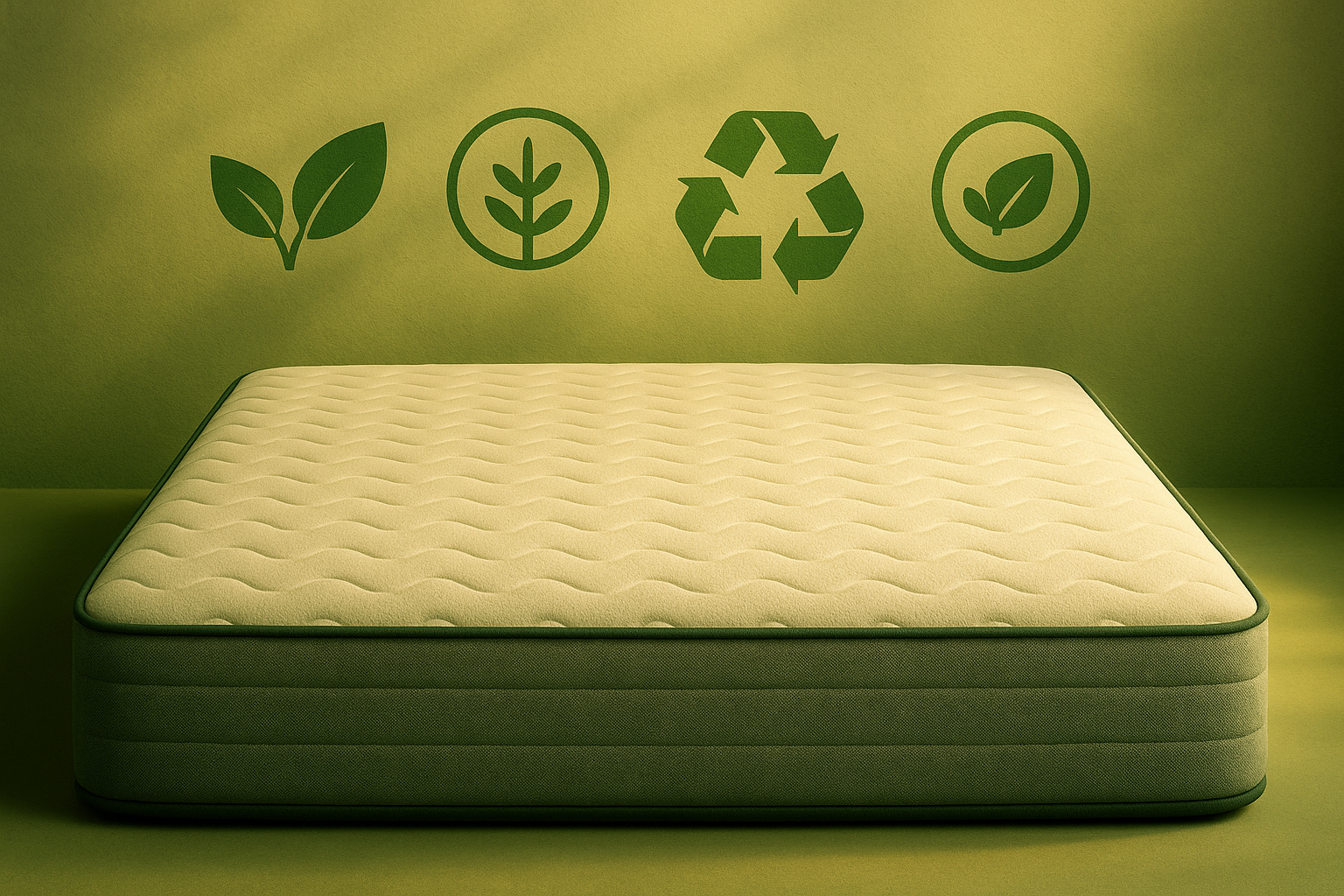
Your values can be supported in a bedroom without any sense of complication. An organic mattress is a convenient method of taking care of the comfort and environment simultaneously. The idea is simple. Choose materials that honor the natural resources, use packaging that goes back into the cycle, and choose a brand that records the origin of supplies.
The steps in this guide are simple, and it brings a sense of mindfulness to bedtime. Read on to know more.
Why Sustainable Sleep Matters?
Sleep quality and planet-friendly choices can coexist. A mindful setup reduces waste over time and encourages simple care habits. The goal is not perfection. It is a steady improvement. Small choices at purchase and during daily use add up.
An organic mattress supports that approach. Natural fibres and thoughtful foams, when verified and well-documented, make it easier to know what you are sleeping on. Clear care instructions and spare part options can extend usable life. Plans for the end of life reduce landfill pressure.
Organic Materials: What to Look For
Focus on the big layers first. The cover, the comfort surface, and the core do most of the work.
Organic Cotton
Organic cotton covers feel familiar and breathe well. Look for credible standards such as GOTS to compare products. Ask for fabric weight, knit type, and care steps. A removable cover supports hygiene and future replacement.
Natural Latex and Organic Latex
Latex has contouring support. Organic latex passes through serious farm and factory verifications such as GOLS. There are also natural-synthetic blends. You must read the label carefully to find out what is inside. Labels alone do not have the same effect on feel as pin core patterns, density, and thickness.:
Wool and Plant Fibers
Wool can balance moisture and temperature. Coir from coconut husk adds supportive resilience in certain designs. Cotton batting and other plant fibers can add gentle loft. Seek simple construction that lists each layer in plain words.
Recyclable Packaging That Reduces Waste
Packaging should protect without lasting clutter. Choose right-sized boxes and paper-based fillers. Water-based inks help with curbside recycling. If plastic film is needed, a visible recycling code makes sorting easier.
Open the box carefully. Save the receipt and the care leaflet. Flatten the carton and place it for collection. Remove any corner protectors and check whether your local centre accepts moulded paper parts.
Sustainable Sourcing and Traceability
Sourcing explains where materials begin and how they move through farms, forests, mills, and assembly locations. Good programs value safe work, fair pay, and clear records. When a brand shares supplier lists and audits, comparison becomes easier.
For wood parts, ask about well-managed forest programs. For cotton and latex, ask about farm-level checks. For wool, ask about land care and animal welfare policies. Transport choices also matter. Consolidated routes and energy-aware facilities can lower the impact..
Durability, Repair, and End of Life
Keeping a product in service is a quiet form of sustainability. Rotate as advised. A two-sided build may allow flipping. Removable covers support cleaning. Zippers, handles, and strong seams help with regular care.
Ask whether the maker sells spare covers, toppers, or replacement layers. If so, a mattress can adapt to new needs without a full swap. At the end of service, parts can head to different streams. Metal goes to scrap. Clean fabrics and paper return to recycling. Foam and latex options vary by city.
How to Choose the Right Organic Mattress
Use a short checklist to stay focused.
1. Define your feel by position and body type. Side sleepers often like gentle relief. Back and stomach sleepers usually prefer steadier lift.
2. Shortlist models built with organic cotton, organic latex, wool, or plant fibers. Verify each layer.
3. Read third party labels such as GOTS, GOLS, and OEKO TEX where relevant.
4. Check packaging details. Prefer cartons and molded paper. Note the film code.
5. Confirm care steps. Learn how to rotate and how to clean the cover.
6. Ask about take back, donation partners, or recycling guidance for the future.
7. Keep notes with the term organic mattress so your search stays on track.
Why Centuary India Matters to Conscious Shoppers
Centuary Mattresses started serving Indian homes in 1988. The brand is renowned for tireless coir competency and unswerving material invention. Examples of public references are ISO 9001 2015 quality certification and a proprietary technology like Ortho Foam and Green Gel technology. Centuary is also one of the largest coir manufacturers in India and distributes to both domestic and foreign markets. Before they make their decision, shoppers visit the official site and review materials, sizes, and care instructions.
Conclusion
Sustainable sleep begins with simple steps. Choose an organic mattress with clear labels, ask for recyclable packaging, and read about sourcing and care. Keep your setup tidy, rotate on schedule, and plan for donation or recycling when the time comes. Centuary India offers helpful product information for buyers who want comfort with mindful choices. Explore the collection, compare layers, and find a design that fits your routine and values. Begin with small steps and build steady habits each week.